Are There Sea Turtles On Isla Contoy?
Yes, three sea turtle species nest on Isla Contoy's protected sanctuary beaches, with occasional leatherback records. What the official sources say, when nesting happens, and what a day tour realistically offers.
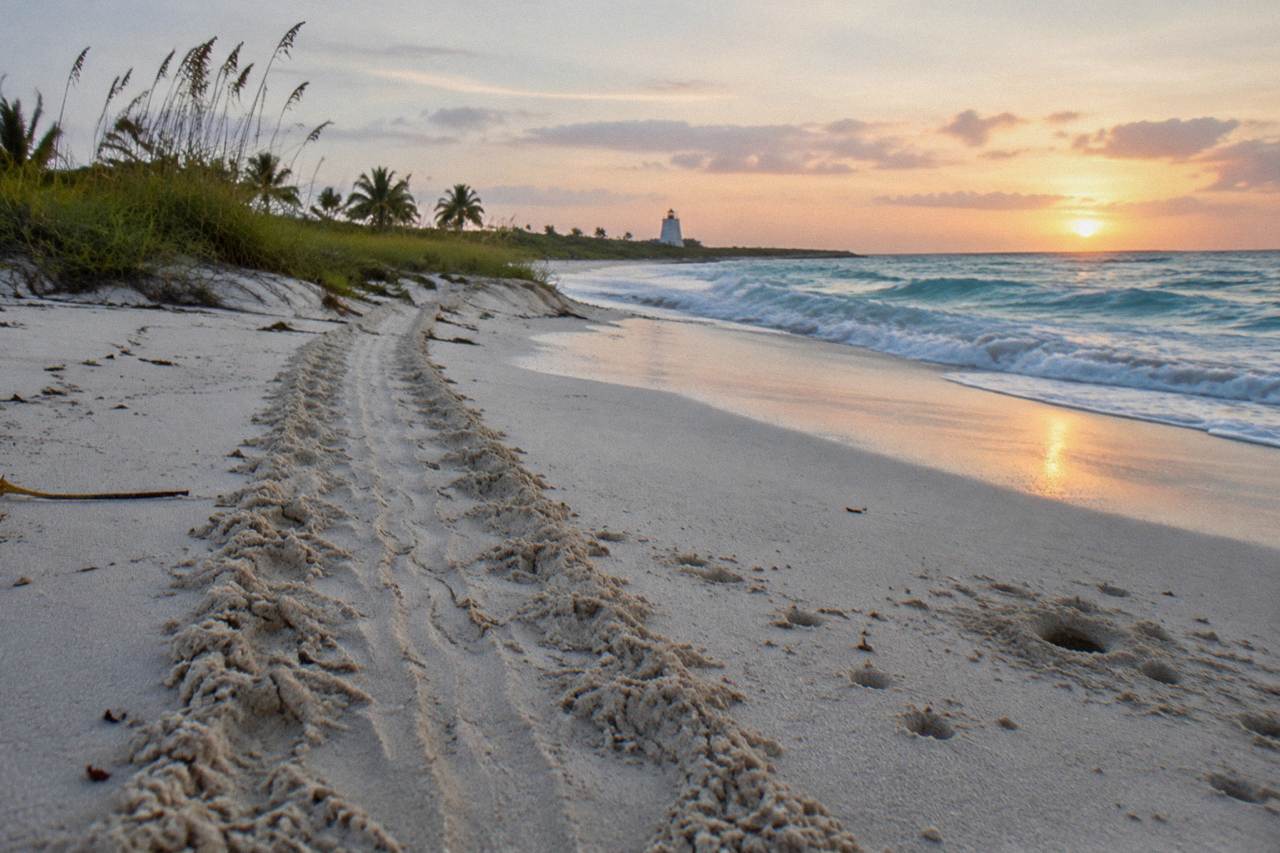
The turtle comes first in the island's paperwork. Before Isla Contoy was a national park, before the visitor cap and the guided-trail rules, the Mexican government set aside its beaches as the Santuario Playas de Isla Contoy, a sanctuary specifically because sea turtles crawl ashore there at night to nest. The park's own management program, a 279-page federal document, names three species that use those beaches: hawksbill, loggerhead and green, plus occasional leatherback records. The footnote matters just as much: the beaches where nesting happens are protected sub-zones, hatchling-release windows are not public events, and no tour operator can promise you will see a turtle.
The National Park, Optional Snorkel day from Isla Mujeres, the Snorkel Day, 8 Hours from Playa del Carmen and the Punta Sam eco adventure all land visitors on the same island, under the same rules. What differs is how much of the sanctuary you cross on foot and whether your boat pauses at the reef. This article lays out what the official sources say about turtles on Contoy, when nesting is reported to happen, what a realistic day-tour encounter looks like, and how to pick the trip that fits a wildlife-minded visit. If the nesting schedule has you thinking about timing, this month by month guide to choosing when to visit Isla Mujeres sorts out dry season, hurricane season, and sargassum so your travel dates match the wildlife you hope to see.
What Do The Official Sources Say About Turtles On Contoy?
Yes. Isla Contoy is a federally declared turtle nesting sanctuary, and its management program confirms three nesting species: hawksbill, loggerhead and green, plus occasional leatherback records. Nesting is reported roughly from April or May to September or October, on beaches inside protected sub-zones that day visitors do not enter. Seeing a turtle on a daytime tour is possible but never promised, and hatchling-release windows are not open to the public.
The sanctuary designation is not marketing language. The management program for the Santuario Playas de Isla Contoy, published by the federal protected-areas commission, treats the island's beaches as critical nesting habitat and zones them accordingly, with sub-areas where recreation is limited and core nesting beaches where disturbance of any kind is off-limits. A 2025 press summary of that management plan lists restrictions on lighting, on feeding wildlife and on altering nesting sites. In other words, the turtles are the reason some parts of the island look untouched: they are, by law.
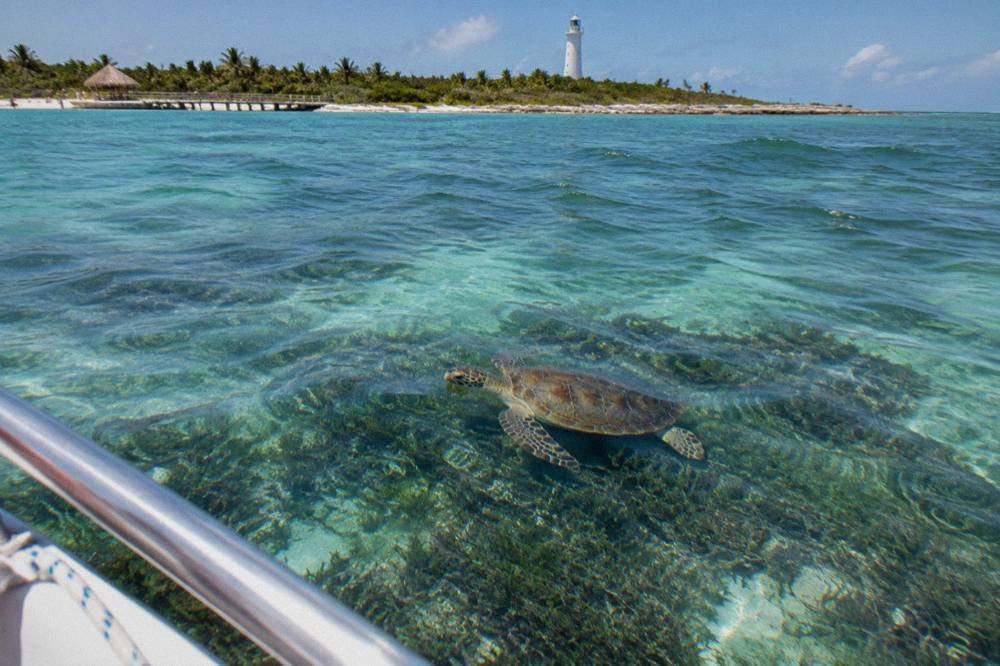
The three species carry different stories. The hawksbill is the reef turtle, feeding on sponges along the Mesoamerican Reef system that runs past the island. The loggerhead and green turtle are the region's classic nesters, and one federal record notes unusually high hatching success for green turtles on these beaches in some reporting periods. The leatherback is the occasional giant, the largest sea turtle on earth and recorded only occasionally on these beaches.
What the paperwork does not promise is an audience. Nesting happens at night, and the boats leave before dusk. Hatchling emergence follows its own clock, coordinated by rangers and conservation staff rather than published as a schedule. If a tour listing hints at turtle encounters, read it the way you would read a listing that mentions frigatebirds: the island hosts them, the visit may coincide, nothing is guaranteed.
Which Turtle Species Nest On The Island?
Three species nest on Contoy's sanctuary beaches per the official management program: the hawksbill, the loggerhead, the green turtle and, occasionally, the leatherback. Green turtles show notably high hatching success on these beaches in some federal reporting. The leatherback is the rarest of the nesters here, and there is no count of nesting females per season.
| Species | Status on Contoy | What the sources say |
|---|---|---|
| Green turtle | Regular nester | Sanctuary beaches described as critical habitat; one federal record notes high regional hatching success in some reports |
| Loggerhead | Regular nester | Named among the sanctuary's three nesting species in the management program and Ramsar reporting |
| Hawksbill | Nester, reef-associated | Listed as a nesting species; the species is tied to the surrounding reef system |
| Leatherback | Occasional nester | Listed among the four; described as occasional rather than regular in the source material |
The distinction between "regular" and "occasional" comes straight from how the sources phrase it, and this site keeps it that way rather than upgrading the leatherback into a selling point. The reporting also resists another temptation: numbers. No verified source states how many females nest per season, so any figure you might see elsewhere is guesswork dressed up as data.
Around the turtles sits the rest of the sanctuary's cast. Black spiny-tailed iguanas sun themselves on the dunes, American crocodiles live in the island's lagoons per the Ramsar record, and the bird colonies are the loudest residents of all, with well over 150 recorded species and a red-footed booby colony described by operator sources as the only nesting one in Mexico. A reader deciding between turtle expectations and bird expectations can split the difference in the island's dedicated Contoy birdwatching guide, which covers the colonies in detail.
When Is Turtle Nesting Season On Isla Contoy?
Nesting is reported roughly from April or May through September or October, with activity peaking in the warmer months. Those dates come from secondary sources, park-affiliated operators and conservation write-ups, so they are reported rather than fixed regulations. Frigatebird nesting is reported for roughly November to April, meaning the island's two headline wildlife seasons barely overlap.
That overlap point is worth a second look, because it shapes when different travelers should book. A visitor who comes between November and April, the dry season, arrives during frigatebird courtship and outside the main turtle nesting window. A visitor in June, July or August arrives in the heart of the reported nesting season, but also in hurricane season, from 1 June to 30 November, when the Port Captaincy decides whether boats sail at all. There is no month that maximizes both calm seas and peak nesting; that trade-off is real and worth planning around.
Hurricane season is not a reason to skip the island, but it is a reason to book with flexibility in mind. Listings state their own weather policies, and they differ: several operators offer a different date or a full refund when weather cancels the day, while some catamaran listings state plainly that a skipped snorkel stop or a missed Isla Mujeres visit is not grounds for a refund. Read the terms on the live listing before you pay, not after the captain changes the route.
The Snorkel Day, 8 Hours, the most reviewed product here at 4.8 from 829 reviews, is one of the tours that runs year-round weather permitting, with hotel pickup from Playa del Carmen and a stated itinerary that includes about 3 hours in the Isla Contoy National Park. The 10-Hour Nature Expedition from Pescado Adventures takes a longer swing at the same island, with its itinerary listing 3 hours on Contoy plus wildlife viewing among the stop's activities. Neither promises a turtle, and both deliver time in the habitat.
Will You Actually See A Sea Turtle On A Day Tour?
Maybe, and no operator can promise it. Turtles are sometimes reported in the water near the Ixlache reef and along the crossing, but sightings depend on weather, season and luck. The park's rules, no touching, no chasing, mandatory life vest for snorkeling, apply the moment one appears, and nesting beaches themselves are closed sub-zones.
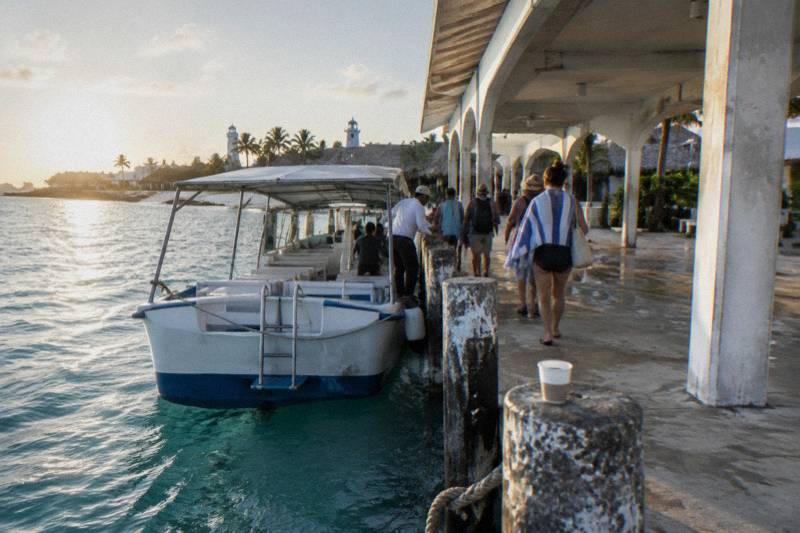
Start with what a day trip physically includes. Boats arrive in the morning, typically after an open-water crossing from Puerto Juarez, Punta Sam or Isla Mujeres, about 25 km per CONANP, with Isla Mujeres departures reported at about 1 to 1.5 hours and as little as 45 minutes on some routes. The day usually splits into a snorkel stop at the Ixlache reef, a stretch of time ashore on the island's interpretive trails and beach, and lunch. Time ashore varies by listing: the eco adventure itinerary lists two and a half hours on Contoy, one beach-escape line lists 3 hours, and the sailing catamaran itinerary lists 4 hours 30 minutes.
The reef stop is the realistic encounter point. Ixlache lies south of the island, part of the Mesoamerican Reef system, and tours snorkel from the boat with a mandatory life vest, per the official CONANP rules. Green turtles and hawksbills feed on reef systems like this one, and snorkelers on Caribbean reefs do sometimes find one grazing below. But a listing that mentions turtles describes a possibility, and the rule stands: never promise a sighting, a condition or a season guarantee.
The nesting beaches are a different matter entirely. The management program's sub-zoning keeps the high-density nesting areas away from public use, so a day visitor does not walk a turtle beach looking for tracks. What you can do is stand on a guided trail, look at habitat that exists specifically because it is protected, and understand that the cap of about 200 visitors a day, 202 in the management program's own count, exists to keep it that way.
Planning around the possibility is straightforward. Pick a tour with a reef snorkel stop if the marine side matters to you, go in the reported nesting months if you want to be on the island while it is happening, and treat any turtle in the water as a bonus rather than the point. The National Park, Optional Snorkel day run by Isla Fun Tours from the Black Pearl dock on Isla Mujeres, from $136 per person, makes the snorkel stop explicitly optional and lists 3 hours and change on the island, which suits a visitor whose first interest is the sanctuary itself rather than the boat day around it. Its companion listing from the same operator, the Untouched Beach Day, carries a lower on-site fee, US$10 per person payable on the day rather than the US$20 most listings carry, and it rates 4.8 from 22 reviews.
How Do The Park Rules Protect The Turtles?
The official rules are strict and specific: no touching anything, no sunscreen or blocker (stop applying it 30 minutes before arrival), life vests mandatory for snorkeling, marked trails only with a guide, and no smoking. The sanctuary adds rules against artificial lighting, feeding wildlife and disturbing nesting sites. Visitor capacity sits at about 200 a day, which the management program counts as 202. The sunscreen ban catches many visitors off guard, so if you're unsure what counts as blocker or what to wear instead, our guide to Isla Contoy's sunscreen rules explains the official policy and your options.
The sunscreen rule surprises people, and it matters more here than almost anywhere else in the region. The official CONANP position is no sunscreen or blocker at all, with the management program asking visitors to stop using it 30 minutes before arriving at the protected area. Operator wording varies, one catamaran listing says biodegradable is the only kind allowed, another says even biodegradable harms the reef, but the official rule wins: shade, a rash guard, a hat, apply nothing. Chemical sunscreens are implicated in coral damage across the Caribbean, and a nesting sanctuary is the wrong place to test the exception.
The cap does quiet work for the turtles too. About 200 visitors a day, spread across a handful of authorized operators, keeps foot traffic on the marked trails and off the sub-zoned beaches. Press reporting from 2023 notes a request to raise the cap was rejected, and that the figure has often been exceeded in practice, which is why enforcement, not just the number, is what the turtles depend on. The how-many-visitors question has its own full treatment in the daily visitor cap explained article for readers who want the detail.
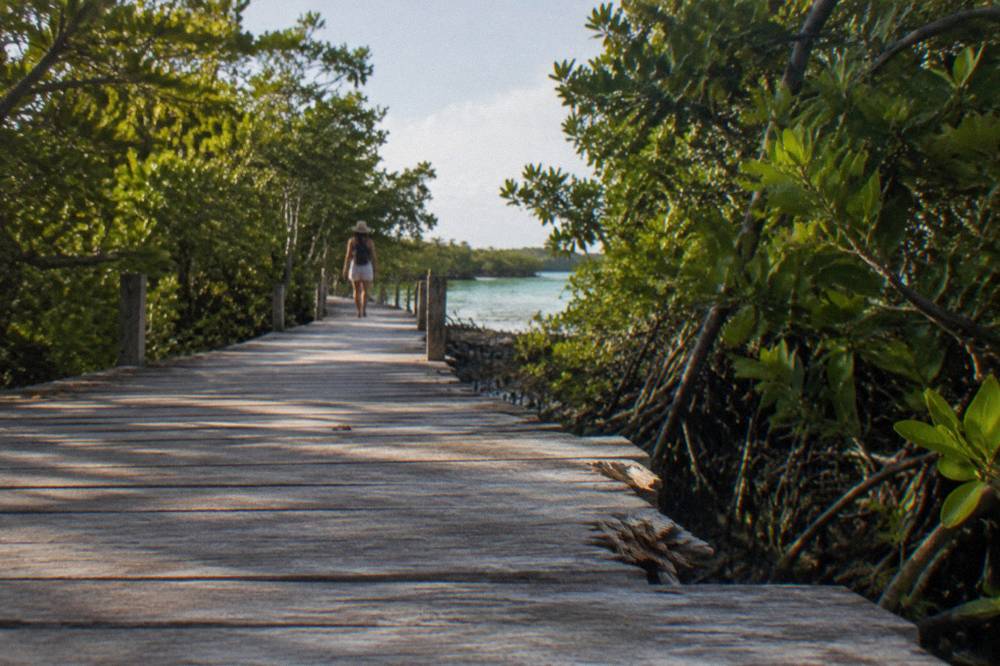
For visitors, the practical version of the rules is short. Stay with your guide on the interpretive trails. Do not chase, touch or crowd anything that swims, crawls or flies. Carry nothing onto the beach that you would not want in a nursery. The full packing logic, including why a long-sleeve rash guard beats a bottle of anything, is laid out in the what to bring guide, and the answer to the separate sunscreen question has its own article, Can You Wear Sunscreen On Isla Contoy?.
Which Tours Fit A Wildlife-Minded Visit Best?
The wildlife-minded pick is usually the trip with the most time on the island and a reef snorkel stop: The National Park, Optional Snorkel for an Isla Mujeres departure, the Snorkel Day, 8 Hours or the eco adventure for a hotel-pickup day, or a catamaran for the longest island block at 4 hours 30 minutes ashore. Compare the on-site fee lines, US$20 on most listings, US$10 on one, when you total the cost.
The comparison the listings support looks like this, using each tour's own stated figures:
| Tour | Operator | Price as listed | Island time per itinerary | Fee line as listed |
|---|---|---|---|---|
| National Park, Optional Snorkel | Isla Fun Tours | From $136 per person | About 3 hours | Not stated in the listing |
| Snorkel Day, 8 Hours | Ocean Tours Mexico | From $179 per person | 3 hours | US$20 per person, not in the booking price |
| Eco Adventure, 8 Hours | Contoy Adventures | From $140 per person | 2.5 hours | "All Fees and Taxes" excluded, no amount stated |
| Sailing Catamaran, 7 Hours | Cancun Sailing Catamarans | From $139 per person | 4 hours 30 minutes | US$20 per person, not in the booking price |
| Snorkel Trip, 6 Hours | Contoy Adventours | From $166 per person | Not stated in the listing | US$20 per person, not in the booking price |
Read that table as starting points, not verdicts. The eco adventure from Punta Sam includes an open bar and snorkel gear, and its 4.3 from 209 reviews gives it one of the larger review pools here. The Snorkel Day, 8 Hours carries the most reviews of anything here, 829, and its 4.8 is the strongest rating at that scale. The sailing catamaran from Marina Xtabay gives up hotel pickup, the listing says you arrive on your own or book transport with the operator, in exchange for the longest block on the island. Which of those trade-offs suits you is exactly what the catamaran versus speedboat comparison on this site walks through.
One seasonal note belongs in any wildlife decision. Whale sharks, the region's other giant seasonal draw, are not part of any Contoy tour. Their season is reported as roughly mid-May to mid-September off Isla Mujeres and Holbox, on separate trips, and no Contoy day includes one. A summer visitor who wants both needs two bookings, and the whale shark season guide covers how that sequencing works without overpromising either.
What Should You Expect Versus What The Brochures Imply?
Expect a protected island, a guided walk through bird and mangrove habitat, a reef snorkel if conditions allow, and lunch, with any turtle sighting as an unscripted bonus. Do not expect to visit a nesting beach, watch a hatchling release or photograph a nesting female; none of those are products anyone is allowed to sell. The gap between the brochures and the rules is where disappointment lives, so close it before you book.
Guest reviews on the live listings give a fair picture of the day. The recurring praise lands on the setting itself, the white beach, the bird colonies, the water. The recurring complaints land on the things a sanctuary cannot fix: shared beach space feels busy when several boats land together, time ashore is a few hours rather than a full day, and the crossing can be bumpy, with the return often rougher than the outbound leg. Motion-sickness medication taken in advance, a seat near the center of the boat and a horizon to look at are the standard advice, and none of it is oversold.
The framing for a turtle-focused visitor is this: you are going to a place whose entire legal identity exists to protect three species of nesting sea turtle, and the best evidence of that protection is what you will not see, no hotel, no jet skis, no lights on the beach at night, no crowd larger than the daily cap allows. On Isla Contoy Tours, every one of the 14 listings, from the $136 Isla Mujeres departure to the $840 Private 8-Hour Snorkel Day, operates inside the same framework. If a turtle surfaces beside the boat, that is the sanctuary working. If one does not, the sanctuary is still working.
The private option deserves a closer look for families and small groups. The Private 8-Hour Snorkel Day by Ocean Tours Mexico, from $840 per group with the listing not stating a group size, plus a US$20 per person government fee on top, is the only private charter. Its 4.9 from 144 reviews is the highest rating on the list, and its inclusions run to a private speedboat, private transport, a bilingual guide, lunch and beer after the snorkel. What it does not buy is wildlife on demand; the same rules, the same cap and the same turtles apply. The full private-charter picture, including who the format suits, is in the private charters guide.
Common Questions About Sea Turtles On Isla Contoy
Can You See Turtles Nesting On A Day Tour?
No. Nesting happens at night, after day-trip boats have left, and the high-density nesting beaches are closed sub-zones under the sanctuary's management plan. Hatchling-release windows are coordinated by rangers and are not public, bookable events.
Might You See A Turtle While Snorkeling?
Possibly. Turtles are sometimes reported near the Ixlache reef and along the crossing, but sightings depend on season, weather and luck, and no operator promises one. The park's rules apply regardless: life vest mandatory, no touching, no chasing.
Does The Daily Visitor Cap Protect The Turtles?
It helps. The management program sets capacity at 202 people per day, commonly reported as about 200, which keeps foot traffic on marked trails and away from nesting sub-zones. Press reporting says a request to raise the cap was rejected in 2023.
Do Any Contoy Tours Include Whale Sharks?
No. Whale shark season off Isla Mujeres is reported as roughly mid-May to mid-September, but those swims run on separate trips. No tour on this site combines a Contoy day with a whale shark encounter.