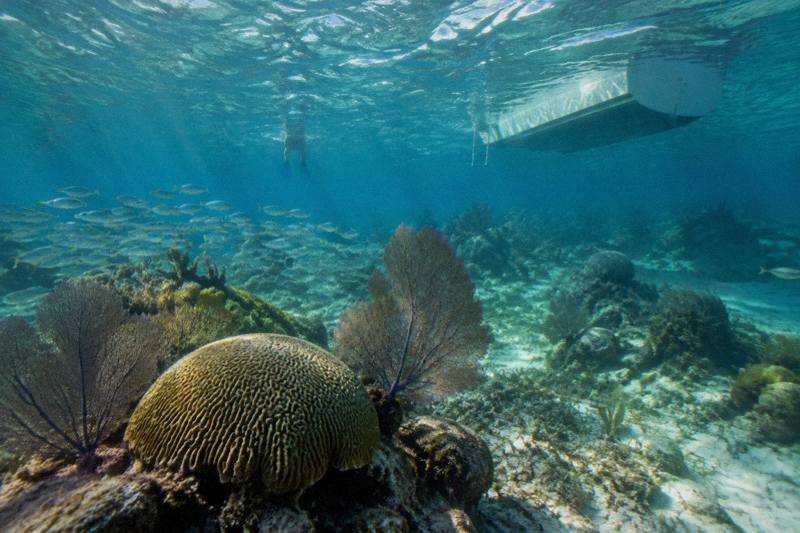
What Is The Best Month To Go To Isla Mujeres?
No single official best month exists for Isla Mujeres. This guide breaks down dry season, hurricane season, whale shark season and sargassum month by month so you can pick dates that match your priorities.
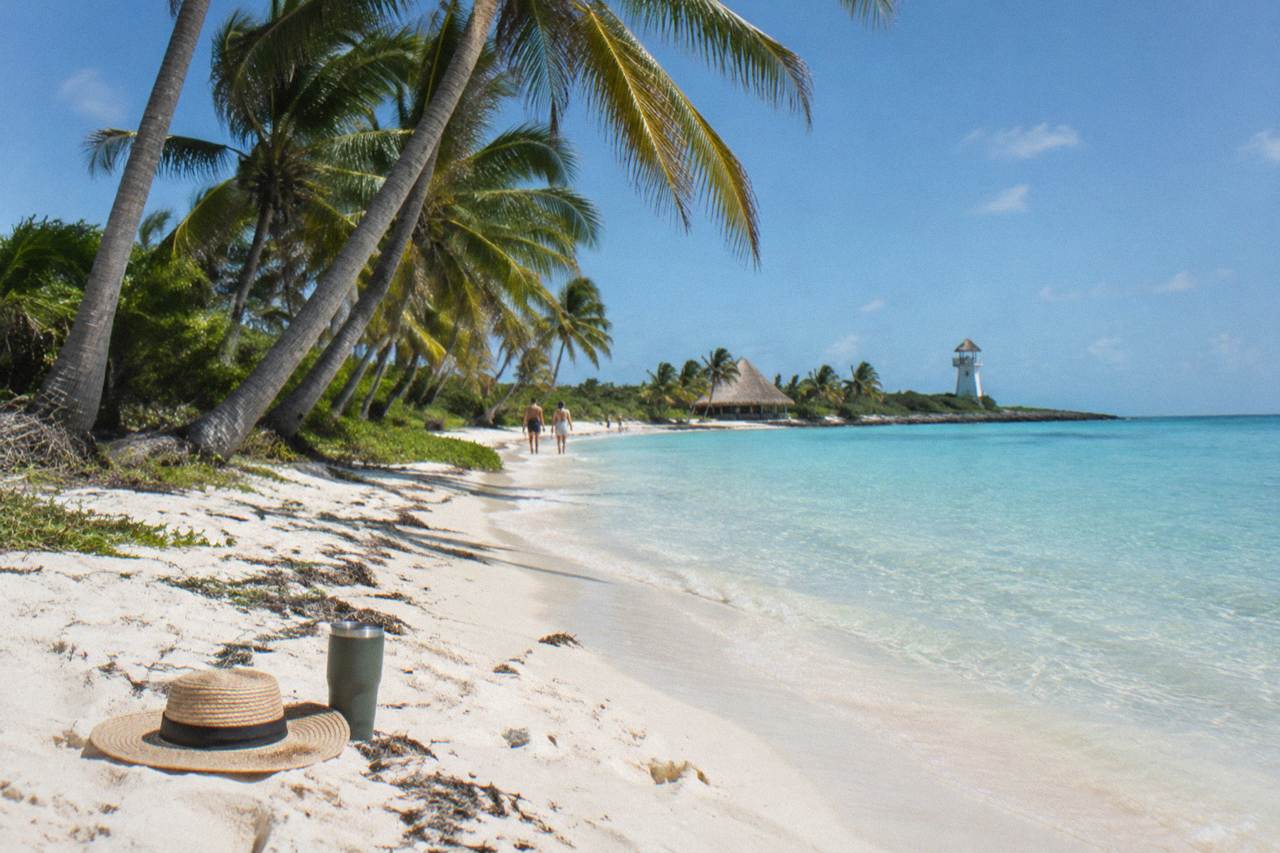
Isla Mujeres sits close enough to Cancun that the ferry crossing is a reported 15 to 20 minutes from Puerto Juarez, yet far enough out that its seasons feel distinct: winter Norte winds, summer whale sharks, autumn sargassum pulses. There is no official pronouncement naming a best month, and any site that tells you one is selling certainty that does not exist. What does exist is a clear pattern you can match against your own priorities, whether that is flat water for the Contoy Island Tour from Cancun and Isla Mujeres with Snorkeling, a dry walk around Playa Norte, or a bigger catamaran day that bundles both islands.
What Does Each Season Mean For The Water?
There is no single official best month, and any answer depends on what you want from the water. Dry season runs November to April with calmer seas and lower humidity; rainy season runs May to October; hurricane season runs 1 June to 30 November; whale shark season is reported roughly mid-May to mid-September. March through early May is the most common compromise pick.
That compromise deserves unpacking, because the four clocks that govern the island do not tick together. Dry season and whale shark season overlap only at the edges. Hurricane season and sargassum season overlap almost completely. January, which falls inside the dry season and looks ideal on a rainfall chart, is the one month the national park authority itself flags as problematic for boat trips on the wider water: CONANP recommends visiting the region's protected islands all year except January, when Norte winds make it unlikely the port will open for departures. That advice is written for Isla Contoy, but the same wind that shuts the Contoy crossing also chops up the ferry and the snorkel boats around Isla Mujeres.
A climate dataset puts Cancun sea temperatures at about 25 to 29 degrees across the year, coolest in the January to March window and warmest around July to September. Those are secondary figures rather than official measurements, so treat them as orientation: the sea around Isla Mujeres is warm enough to swim in every month, and the real month-to-month differences are wind, rain, sargassum and what is living in the water. The ferry itself runs year round, with a reported adult one-way fare of about MXN 290 from Puerto Juarez and crossings described as frequent, roughly every 30 minutes at peak times.
If you are building a trip that combines Isla Mujeres with a Contoy national park day, the month matters more, not less. Contoy is a protected park with about 200 visitors a day (the management program counts 202), reached only through authorized boat operators, and every departure on that route depends on the Port Captaincy opening the port. Pick a month with reliable weather and your Contoy day is more likely to sail; pick January or the peak of hurricane season and you should build a spare day into the itinerary. The comparison below is a starting point, and the picks band underneath it shows the boat days that run in every one of these windows.
Which Months Have The Best Weather?
November to April is the dry season, with lower humidity, less rain and generally calmer seas, and it is the window most often recommended for a first visit. The sea stays warm throughout. March and April tend to be the sweet spot before the heat and the sargassum arrive, while December to February carries the Norte wind risk that can cancel boat days.
The dry season earns its reputation. Rainfall drops, humidity eases, and the wind patterns that dominate winter are mostly manageable outside of Norte events. A Norte is a cold front sweeping down from the north, and when one sits over the Yucatan Channel the Port Captaincy closes ports to small vessels, which cancels snorkel trips, Contoy crossings and sometimes slows the ferries. These fronts are most common in the winter months, and they are the reason CONANP's own guidance carves January out of an otherwise year-round recommendation. February sits in the same exposure but with somewhat less frequency reported.
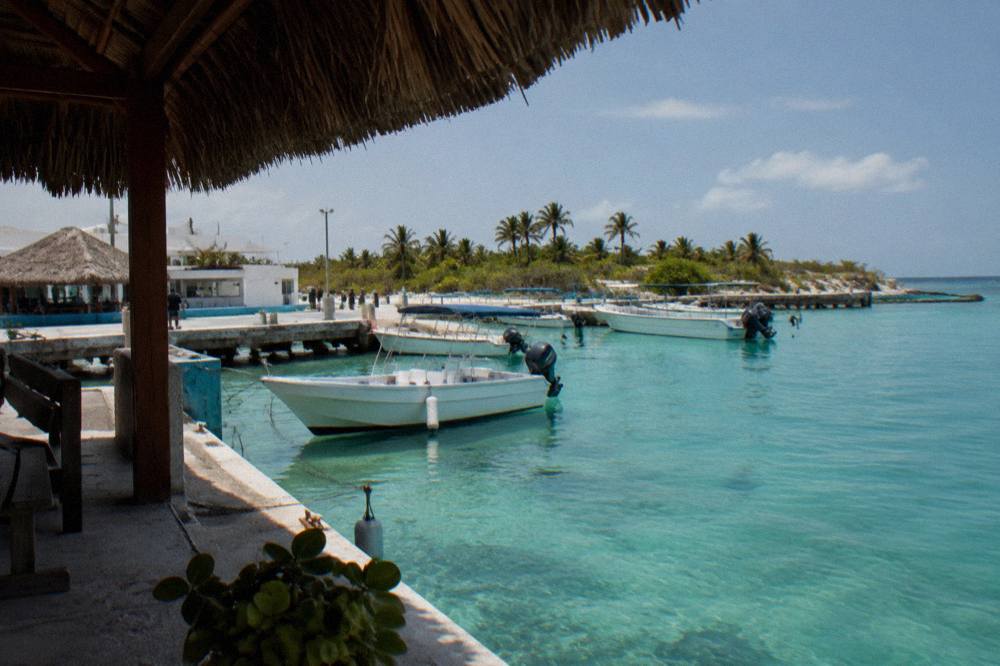
March through early May is the period with the fewest structural downsides: the strongest Norte activity has usually passed, the rainy season has not started, hurricane season has not opened, and sargassum is only beginning to build. It is also, for the same reasons, the most crowded stretch on Playa Norte and the most expensive week for hotels around Semana Santa, the Easter holidays, whose dates move each year. May is a genuine shoulder option: prices soften, the sea is at its warmest of the first half, and whale sharks are usually arriving, though a rainy-season shower becomes more likely as the month goes on.
Rainy season, May to October, is not a washout. Rain in this part of the Caribbean typically arrives as heavy afternoon bursts rather than all-day drizzle, and plenty of days run clear from dawn to late afternoon. The trade-offs are real though: higher humidity, a higher chance of a disrupted boat day, and, in the August to October stretch, the statistical peak of hurricane activity. For travelers whose priority is a Contoy landing with a guided walk among frigatebirds and pelicans, the dry season remains the safest bet, and the Isla Mujeres snorkel trip that runs the route in six hours reports strong guest satisfaction, 4.8 from 30 reviews, from $166 per person, with the listing noting a US$20 per person dock tax paid on the day.
Want A Contoy Day In The Dry Season?
The Contoy and Isla Mujeres boat days that run year round can sell out weeks ahead in the March to April window, since the daily visitor cap on Contoy limits supply no matter how good the weather is. Checking live availability early costs nothing.
When Is Hurricane Season And How Much Does It Matter?
Hurricane season runs 1 June to 30 November, with activity typically peaking between August and October. A season date is not a storm forecast: most June and July trips run normally, but a named system can close ports for days, so late-season travelers should keep flexibility in their plans.
It helps to separate the calendar from the risk. The official season is long, half the year, but the actual concentration of storms clusters late: August, September and October are the months to watch, and September is historically the busiest for the Atlantic basin. A passing system does two things to an Isla Mujeres trip. It closes ports, first to small vessels and then, if conditions worsen, more broadly, and it can push sargassum or rough surf onto beaches for a stretch after the wind dies. Ports also reopen quickly once a system moves on, and operators reschedule fast.
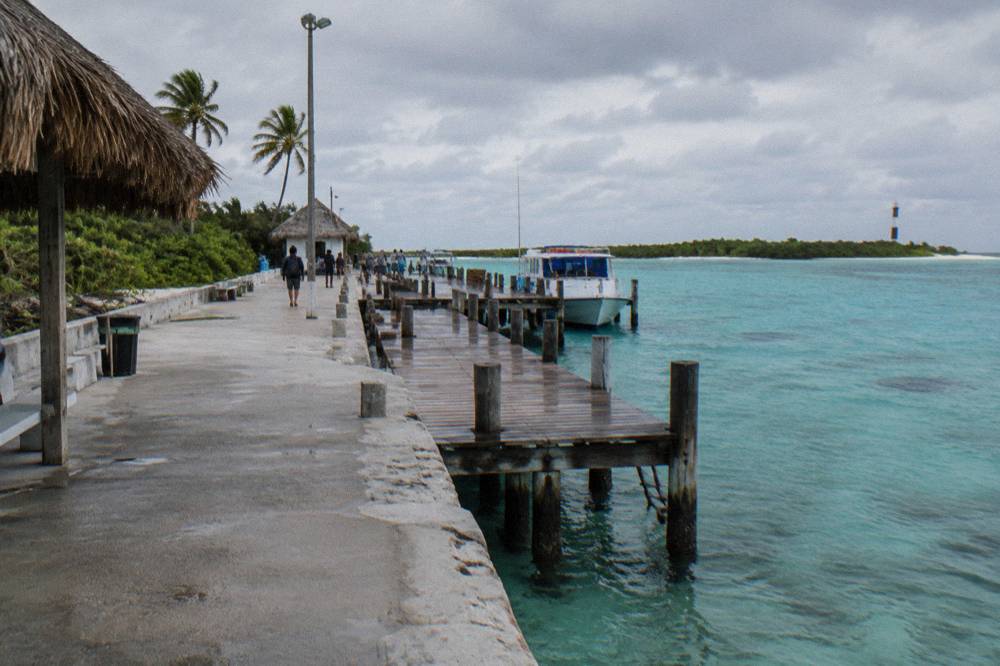
Operators handle weather cancellations through their own policies, and the listings state them individually. On the boat days compared in the catamaran versus speedboat guide, weather cancels generally mean a different date or a full refund, while a skipped snorkel stop or a shortened Isla Mujeres visit is usually not refund grounds on its own. Read the specific listing's policy before booking a September trip, and if your dates are fixed and late in the season, consider travel insurance that covers weather disruption.
The practical month-by-month read looks like this:
| Month | Season markers | What it means for Isla Mujeres |
|---|---|---|
| November | Dry season starts; hurricane season's last month | A strong pick: rain eases, seas settle, storms are rare this late |
| December to February | Dry; Norte wind window | Good weather between fronts; some boat days at risk when Nortes blow |
| January | Peak Norte exposure | CONANP flags January as unlikely for port openings; build a spare day |
| March to early May | Dry, pre-hurricane | The classic best-window compromise; busiest around Easter |
| May | Shoulder; whale sharks arrive | Lower crowds, warmer sea, first rain chances |
| June to July | Hurricane season opens; whale shark peak builds | Good water warmth; watch forecasts but most days sail |
| August to October | Peak hurricane activity; sargassum high | Flexibility needed; best prices, emptiest beaches |
When Can You Swim With Whale Sharks Near Isla Mujeres?
Whale shark season off Isla Mujeres and Holbox is reported as roughly mid-May to mid-September, with the peak around July to August. These are separate trips, not part of any Contoy or Isla Mujeres island day, so travelers who want both should plan a two-activity itinerary in that summer window. For a realistic way to stack both days, the Contoy and whale shark combination guide explains what tour listings actually include and how to split the itinerary.
The aggregation that forms north of Isla Mujeres each summer is one of the largest known for the species, and it is the reason some travelers deliberately choose the humid months over the dry season. The season dates are reported rather than fixed by regulation, and operators adjust their start and end weeks to when the animals actually show. Sighting odds are never a promise, but July and August are when the fleet is busiest and the season is at its most reliable.
The key planning fact is separation. No tour on this site includes whale sharks, and a Contoy day will not swim with them even in July. The two experiences stack well though: many travelers book a whale shark swim in the morning, since those trips leave very early, and save the island day, like the Isla Mujeres departure that visits Contoy's national park, for a separate date. The deeper season detail is in the whale shark season guide.
If that summer window appeals, the same months bring two costs: hurricane season is open and sargassum is usually at its heaviest from June to August, with monitoring often showing the northern islands, including Isla Mujeres and Contoy, cleaner than mainland beaches to the south. Sargassum on any given day is a live-conditions question, not a calendar fact, so check a monitoring map in the week before you travel rather than trusting the seasonal average.
What About Sargassum, January Winds And Other Deal Breakers?
Sargassum generally affects the region about May to October, but the northern islands, including Isla Mujeres, are repeatedly reported cleaner than mainland beaches to the south. January is the standout wind month, when Norte fronts make port openings unlikely and boat days get canceled. Neither is a full-month deal breaker, but both reward flexible planning.
Sargassum is the brown seaweed that drifts ashore on Caribbean currents, and its seasonal peak overlaps the warm months. The nuance that matters for this island is geography: prevailing currents and the northward curve of the coastline mean Playa Norte and the northern islands often read low or clean on monitoring maps while beaches around Playa del Carmen and Tulum are collecting it. October 2026 monitoring showed mixed observations in the Contoy area on some days and clean conditions on others, which is exactly why live maps beat seasonal claims. Wind direction on the day matters more than the month.
January deserves its own paragraph. It is dry, it is sunny between fronts, and it is the one month the park authority itself steers boat traffic away from, because Norte winds make it unlikely the port opens for the Contoy crossing. Ferries to Isla Mujeres mostly keep running, and the island's own attractions stay open, so January works fine for a beach-and-bike day with a free things to do on Isla Mujeres plan. What January does poorly is guarantee a boat day on open water. If January is your only window, book the boat day early in the stay and keep later days free for a retry.
One more seasonal note that travelers often miss: the turtle nesting sanctuary on Contoy protects three species, hawksbill, loggerhead and green, plus occasional leatherback records, with nesting reported roughly April or May through September or October. Hatchling viewing windows are not public and no tour promises them, so treat any summer nesting activity as a possible backdrop to a boat day, never as a bookable event.
Which Month Suits A Combined Contoy And Isla Mujeres Day?
For a combined day, November to April outside January is the safest window, with March to early May the strongest pick: calmer seas protect the two-hour reported crossing to Contoy, and the daily visitor cap of about 200 makes dry-season availability tight. Summer works too, with whale sharks as a bonus, if you hold a spare day.
A combined day is the most weather-exposed itinerary on this coast, because it stacks three moving parts: a long open-water crossing, a reef snorkel stop and an island visit. The crossing to Contoy is open water, about 25 km per CONANP, and from Isla Mujeres a reported one to one and a half hours, or as little as 45 minutes on some routes. Every one of those legs depends on the Port Captaincy, which is why the same March day that feels flat on Playa Norte is also the day the Contoy fleet sails full.
This site's publisher, Isla Contoy Tours, compares these listings year round, and the seasonal differences show up in price and crowding more than in itinerary. The Snorkel Day, 8 Hours by Ocean Tours Mexico, from $179 per person with 4.8 from 829 reviews, the most reviewed listing, runs eight hours with hotel pickup from Playa del Carmen and a US$20 per person government fee paid on the day. The Nauticos del Caribe catamaran, from $153 per person, 4 from 15 reviews, runs ten hours with an open bar after the meal and the same US$20 dock tax at the marina. Both are dry-season safe bets and both sell out around the March peak.
The nature expedition option from Pescado Adventures, from $139 per person with 4.7 from 56 reviews, is one of the longest days at ten hours, with a listed second final payment of US$60 per person, and its van legs from Playa del Carmen and the Riviera Maya argue even more strongly for calm-season scheduling: a long transfer each way plus a weather hold is a very long day.
For travelers already staying on Isla Mujeres, the calculation shifts in a helpful direction. Departing from the island itself shortens the Contoy leg, and those listings meet you at a dock rather than a hotel lobby. The Untouched Beach Day by Isla Fun Tours, from $139 per person with 4.8 from 22 reviews, lists a US$10 per person environmental and dock fee paid in cash on the day, the lowest on-site fee of these tours, and it is an Isla Mujeres meeting point.
How Do Prices And Crowds Change Through The Year?
Crowds and hotel prices peak from late December through early January, around Spring Break in March, and over the Easter weeks, and they bottom out in September and October, when hurricane-season risk keeps demand low. Tour prices on this site hold steadier than hotel rates, but dry-season dates sell out sooner because Contoy's daily cap of about 200 visitors does not grow with demand.
The island's own rhythm follows the ferry crowds. On peak weeks, Playa Norte and Hidalgo Street in the town center fill by late morning and thin after the last ferries back; on September weekdays the same streets feel local and unhurried. If your priorities are photographs and space rather than guaranteed flat seas, the shoulder and low windows deliver an island that the March visitor rarely sees, and the money saved on a room can fund the boat day.
| Period | Crowd level | Notes for planners |
|---|---|---|
| Late December to early January | Highest | Festive week, book everything well ahead, watch for Nortes |
| March to Easter | Highest | Dry-season peak; Contoy days sell out weeks ahead |
| May, early June, late November | Moderate | Shoulder values, whale sharks at the edges of the window |
| July to August | Moderate to high | Whale shark peak draws divers; family holiday travel |
| September to October | Lowest | Best prices, empty beaches, peak hurricane flexibility needed |
The best month is a match, not a ranking. March through early May for the all-round trip, mid-July to August for whale sharks and warm water with a flexible schedule, November for dry-season value as the storms fade, and September for travelers who would rather have the island to themselves than a guarantee. Whatever the month, the official park guidance that matters most is simple: hours are 9:00 to 18:00 daily subject to weather, and the sea, not the calendar, gets the final vote on any boat day, per the CONANP park page. The sanctuary's own management program, which sets the visitor cap and the protected subzones, is published as a management program document for anyone who wants the full basis.
Common Questions About Visiting Isla Mujeres
Is January A Bad Month To Visit Isla Mujeres?
January is dry and pleasant on the island itself, but it is the one month CONANP steers boat traffic away from, because Norte winds make port openings unlikely. Ferries and island attractions mostly continue, so plan beach days and keep a spare day if you want a Contoy crossing.
When Is Hurricane Season On Isla Mujeres?
Hurricane season runs 1 June to 30 November, with activity typically peaking between August and October. Most early-season days sail normally, but a named system can close ports for days, so build flexibility into late-season plans and check the operator's cancellation policy.
Can You See Whale Sharks On An Isla Mujeres Day Trip?
Whale shark trips run in the reported season of roughly mid-May to mid-September, peaking July to August, from Isla Mujeres and Holbox. They are separate excursions: no Isla Mujeres island day or Contoy tour includes whale sharks.
Does Sargassum Ruin Isla Mujeres Beaches In Summer?
Sargassum affects the region roughly May to October, but the northern islands, including Isla Mujeres, are repeatedly reported cleaner than mainland beaches to the south. Conditions vary day to day, so check a live monitoring map in the week before travel.